
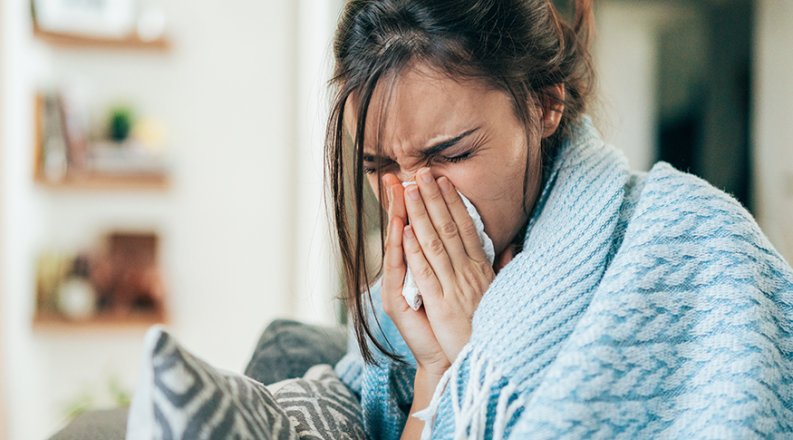


Flu rates in Virginia may be easing after a busy holiday season, but health experts warn that the danger hasn’t passed. Recent weeks brought a surge in flu-related hospitalizations — especially among people with chronic illnesses — showing that falling case counts don’t always translate to lower risk.
The Virginia Department of Health recently noted that flu can be “bimodal,” meaning it often peaks, dips and then rises again later in the season. This pattern was seen frequently during the COVID-19 pandemic and could repeat itself as respiratory season continues.
Does this mean that residents in Hampton Roads are in for a long flu season?
“It is certainly possible that rates will climb again,” said Gordon Theisz, MD, FAAFP, assistant professor of Family & Community Medicine at Macon & Joan Brock Virginia Health Sciences EVMS Medical Group at Old Dominion University. “Another viral strain may emerge this season, in addition to the one that’s been circulating.” Respiratory viruses also spread more easily during colder months, when people spend more time indoors and in close contact with others.
Before the flu hits, Dr. Theisz suggests getting a flu shot and maintaining a healthy lifestyle. Eating a balanced diet, exercising and getting adequate sleep can support overall health and help optimize the immune system. He notes that, despite widespread marketing of vitamins and supplements, there is no strong evidence that they significantly reduce flu symptoms or boost immunity.
One of the most common misconceptions about the flu vaccine is that it actually causes the flu. And, while the flu shot does contain inactive virus particles, they cannot cause infection. Dr. Theisz suggests patients may temporarily feel bad as the immune system reacts to the shot, but they do not get the flu and are not contagious. The nasal spray vaccine uses an attenuated, or weakened, version of the virus, but the body quickly defeats it before it can cause an infection. If someone becomes sick shortly after vaccination, experts say it’s usually a coincidence. They were likely already getting sick before receiving the shot.
“In the early stages of the flu, when you’re experiencing fever, cough, body aches, runny nose, sore throat or stomach symptoms,” said Dr. Theisz, “stay home.” Drink lots of fluids, rest and turn to medications, like acetaminophen or ibuprofen, (when appropriate) for symptom relief. Over-the-counter cough and cold medicines may also be useful, but people with chronic conditions should consult their doctor first. Prescription antiviral medications such as Tamiflu can shorten the duration of illness if started early enough. Anyone who suspects they have the flu should promptly contact their medical provider.
There are certain symptoms, which signal when it is time to seek medical attention. “Probably the most concerning symptom would be shortness of breath,” said Dr. Theisz. “Rapid or labored breathing is a major red flag, especially for those with chronic lung conditions like asthma and emphysema.”
Dehydration is another symptom that can worsen the flu and lengthen recovery time. Vomiting and diarrhea, which have been reported with the current flu season and other winter viruses, can lead to severe dehydration. Warning signs include dizziness when standing, low blood pressure and decreased urine output.
In addition to flu, the COVID-19 virus continues to circulate in the Hampton Roads area. “The lessons learned over the past five years still apply,” said Dr. Theisz. “Stay home when you are sick, wear a mask around others and contact a healthcare provider if you take medicine for chronic conditions and develop symptoms.” Home COVID-19 test kits remain available at pharmacies, and updated COVID vaccines are offered annually in the fall, just like the flu shot.
As flu season continues, pay attention to how you are feeling, give yourself time to rest and do not hesitate to reach out to Dr. Theisz or any of the Family & Community Medicine providers at Macon & Joan Brock Virginia Health Sciences EVMS Medical Group at Old Dominion University. Taking simple steps to care for yourself also helps protect family, friends and others in your community.

PO Box 1980
VA 23501