
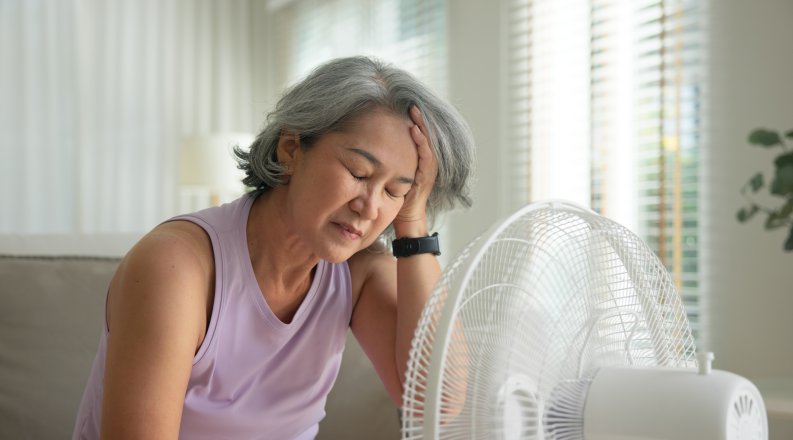


A growing social media trend suggests an unlikely combination of over-the-counter medications — one for heartburn and another for allergies — may offer relief for symptoms like anxiety, depression and irritability during perimenopause.
Women are using social media to share their experiences of taking a heartburn medication such as famotidine (commonly sold as Pepcid) alongside an antihistamine like fexofenadine (Allegra). Some report noticeable improvements in mood and emotional symptoms.
The trend is rooted in a theory that fluctuating hormones, particularly estrogen, may influence histamine levels in the body. Some experts note that histamine can play a role in inflammation and may overlap with symptoms experienced during perimenopause, including anxiety, headaches and sleep disturbances.
But while the theory is gaining traction online, physicians say the science has not caught up.
“There is currently no credible scientific evidence showing that combining heartburn and allergy medications will relieve symptoms of perimenopause or depression,” said John Snellings, MD, professor and chair of Family & Community Medicine, at Macon & Joan Brock Virginia Health Sciences EVMS Medical Group at Old Dominion University. “What people may be experiencing is a placebo effect or a temporary response that isn’t addressing the underlying cause of their symptoms.”
Medical experts broadly agree. Despite widespread claims on social media, there is little to no research supporting the use of antihistamines for hormone-related mood disorders.
Perimenopause, the transition leading up to menopause, is driven by complex hormonal fluctuations that can affect mood, sleep and overall well-being. Evidence-based treatments typically include lifestyle changes, hormone therapy or medications such as selective serotonin reuptake inhibitors (SSRIs), depending on the individual.
Dr. Snellings cautioned that while medications like famotidine and common antihistamines are generally safe when used as directed, taking them for unproven purposes can carry risks.
“Even over-the-counter medications can have side effects or interact with other treatments,” he said. “It’s important for patients to talk with a healthcare provider before trying something they’ve seen online, especially for symptoms as complex as depression or perimenopause.”
As viral health trends continue to circulate, experts say the takeaway is simple: anecdotal success stories don’t replace clinical evidence.
“Social media can be a helpful place to share experiences,” Snellings said, “but it shouldn’t be the place where we determine what’s medically effective.”
To learn more about managing perimenopause symptoms, make an appointment with Dr. Snellings or any of the providers at Macon & Joan Brock Virginia Health Sciences EVMS Medical Group at Old Dominion University Family & Community Medicine. Visit our website or call 757-446-5955.

PO Box 1980
VA 23501