
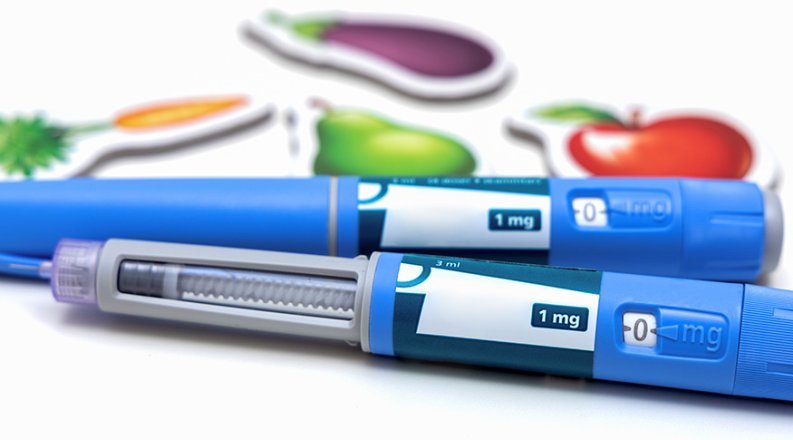


As demand for GLP-1 medications surges, one key detail is often overlooked: the body is already equipped with this powerful hormone. While prescription versions can amplify its effects, physicians say diet, movement and metabolic health still shape how well GLP-1 works naturally.
“Naturally increasing GLP-1 through diet and lifestyle typically results in modest weight loss,” said Sarah Al Allawi, MD, assistant professor of Medicine at Macon & Joan Brock Virginia Health Sciences EVMS Medical Group at Old Dominion University. “Though it may be less than the higher percentages often seen with medication, even modest weight loss can improve insulin sensitivity, reduce cravings, and lower the risk of developing type 2 diabetes.”
What Is GLP-1?
Glucagon-like peptide-1, commonly known as GLP-1, is a naturally occurring hormone produced in the gut and brain. Often described as a metabolic “messenger,” GLP-1 plays a central role in regulating blood sugar and appetite.
After a meal, GLP-1 signals the pancreas to release insulin, helping lower blood sugar levels. It also slows the rate at which the stomach empties, promoting a feeling of fullness, and tells the brain to reduce hunger. Together, these actions help stabilize energy levels and limit overeating.
For some people, the body’s “incretin response” — the hormone signal released from the gut after eating — does not function properly. This impairment can happen because the body releases less GLP-1, breaks it down too quickly, or does not respond to it effectively. It can stem from several factors.
Genetics. Specific genetic variations, including changes in certain genes, are associated with a higher risk of type 2 diabetes. These variations may reduce GLP-1 secretion in the gut or make the pancreas less responsive to its signals.
Microbiome imbalance. A healthy gut microbiome is essential to stimulate GLP-1 release. Certain beneficial bacteria are often reduced in individuals with obesity, potentially weakening natural GLP-1 signaling.
Metabolic inflammation. Chronic inflammation linked to excess body fat can interfere with hunger and fullness cues in the brain. It also reduces both the production and effectiveness of GLP-1.
Diet vs. Medication
Experts say the foods we eat can naturally raise the body’s GLP-1 after meals. Soluble fiber, lean protein, and healthy fats are particularly effective at triggering gut hormone signals after meals. Probiotics and fermented foods such as kefir and kimchi may also support a healthier microbiome. “Meal sequencing can also help,” said Dr. Al Allawi. “Eating fiber and protein before carbohydrates can boost the GLP-1 response and reduce post-meal blood sugar spikes.”
While food can stimulate GLP-1 production, the hormone has a short lifespan of only one to two minutes before being broken down by an enzyme in the body. In contrast, prescription GLP-1 medications are engineered to last for days or even a week, providing sustained appetite control that diet alone typically cannot achieve.
Dietary approaches offer significant advantages. “They are generally safer, more affordable, and essential for preserving muscle mass when combined with adequate protein intake and resistance training,” said Dr. Al Allawi. “Some research suggests that without sufficient protein and strength training, a notable portion of weight lost on GLP-1 medications may come from muscle rather than fat.”
Dr. Al Allawi cautions that for people with established type 2 diabetes and poorly controlled blood sugar, relying solely on diet may delay more effective treatment. GLP-1 medications have been shown to reduce the risk of heart and kidney complications in high-risk patients. Delaying treatment could allow disease progression.
While prescription drugs are powerful tools, and as GLP-1 medications become more affordable and widely available, Dr. Al Allawi warns they should not replace efforts to address the broader lifestyle, environmental, and social factors that contribute to metabolic disease.
“Diet and GLP-1 medications work best when used together,” said Dr. Al Allawi. “A high-fiber diet can help ease constipation and other digestive side effects, while eating enough protein and incorporating resistance training can protect muscle mass during weight loss. Lifestyle changes also help reduce the likelihood of weight regain if medication is discontinued.”
If you’re curious about how GLP-1 works or are considering whether prescription GLP-1 medications are right for you, our team is here to help. Learn more about the latest options and personalized strategies for weight management and metabolic health by scheduling an appointment with Dr. Al Allawi or any of the Department of Medicine providers at Macon & Joan Brock Virginia Health Sciences EVMS Medical Group at Old Dominion University. Taking that first step could make a lasting difference in your overall health and well-being.

PO Box 1980
VA 23501