
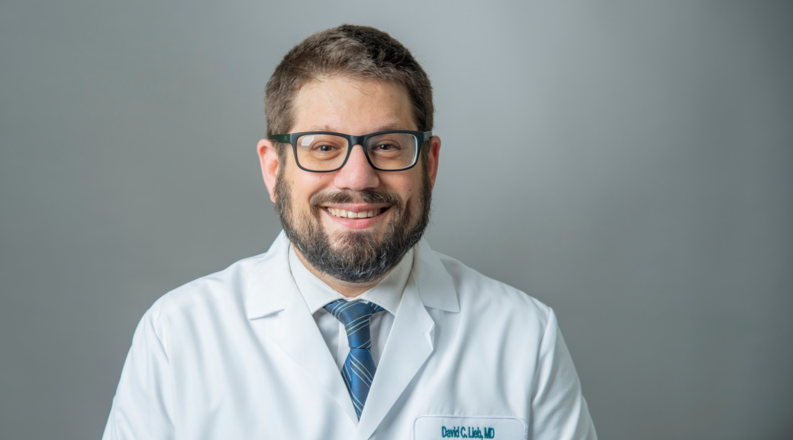


More than 40 million Americans live with diabetes, with an additional 115 million diagnosed as having prediabetes, according to the American Diabetes Association. With nearly one in two adults affected, the diabetes epidemic is a challenge David Lieb, MD, FACE, FACP — a person living with diabetes himself — is all too familiar with.
“Living with diabetes is a daily, lifelong struggle,” said Dr. Lieb, the inaugural Aaron Vinik, MD Professor in Endocrinology & Diabetes at Macon & Joan Brock Virginia Health Sciences Eastern Virginia Medical School at Old Dominion University. “It affects every part of the body; there are frequent doctor’s appointments, the need for frequent medications and glucose-testing, all which impact family, work and everyday life. It’s a complex, ongoing responsibility.”
In addition to his work as the vice chair for education in the Department of Medicine and the program director of the Endocrinology, Diabetes and Metabolism Fellowship, Dr. Lieb serves as a physician in the Strelitz Diabetes Center, supporting patients in their journey with diabetes.
For Diabetes Awareness Month, Dr. Lieb shared symptoms of Type 1 and 2 diabetes, the long-term side effects of the disease, and his approach to diabetes management as a physician.
Looking to manage diabetes care or support someone with diabetes? Learn more about the Strelitz Diabetes Center and get connected to a diabetes care professional.
Dr. Lieb is actively involved with the American Diabetes Association (ADA) in Hampton Roads, serving on its Leadership Board since 2019 and currently as mission chair and medical advisor. He also serves on the ADA's Regional Advocacy Council, supporting efforts to improve access to diabetes care, promote diabetes education and advocate for policies that benefit people living with diabetes. A major focus of Dr. Lieb's clinical and research work has been improving diabetes care in underserved communities, particularly in rural Virginia. He previously directed the EVMS Diabetes Center of Western Tidewater and the endocrine clinic at the Western Tidewater Free Clinic. Through his clinical practice, teaching, research and community partnerships, he is dedicated to improving the lives of people affected by diabetes, particularly those facing barriers to high-quality care.

PO Box 1980
Norfolk,
Norfolk, VA 23501