

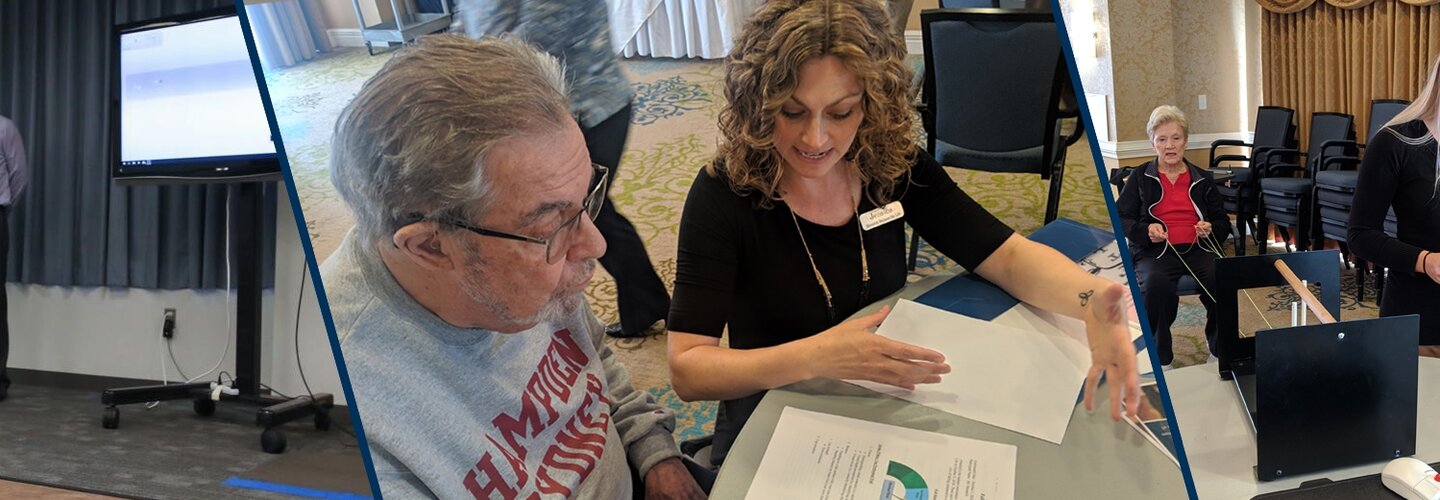
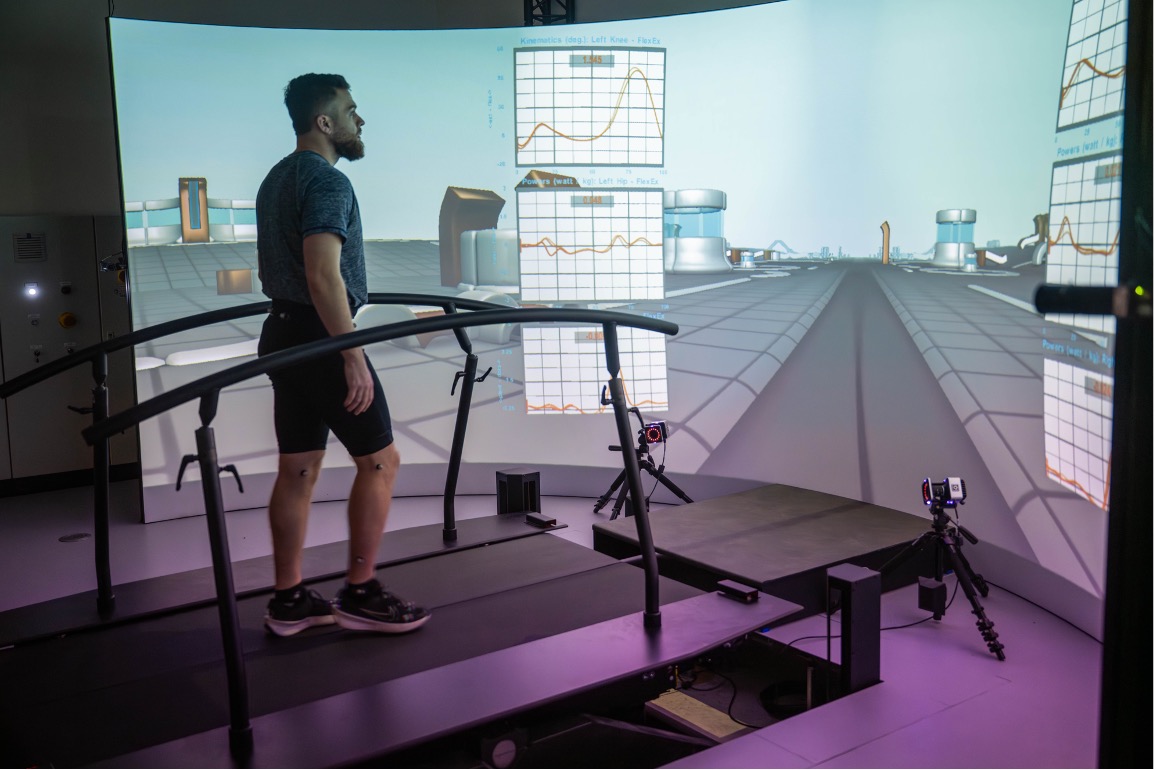
Monarch Balance for Life conducts interdisciplinary research examining how physical, cognitive, behavioral, and environmental factors shape mobility, participation, healthy aging, and fall risk. Our work combines clinical assessment, movement science, community-engaged research, and advanced analytical methods to better understand individual differences and support more personalized approaches to prevention and rehabilitation.
The research program has evolved from foundational studies of motor control and age-related movement to a current emphasis on multidimensional fall risk, cognition, gait, balance, measurement, technology, and clinical translation.
What Our Research Is Showing
- Fall Risk Is Multidimensional
Physical performance, cognition, confidence, gait, sensory function, and behavior contribute in different combinations. Data-driven approaches can reveal clinically meaningful patterns that are not visible from a single score.
- Cognition and Confidence Matter
Cognitive performance and fall-related confidence add information to physiological assessment and help distinguish older adults with different levels and types of risk.
- Gait Measurement Can Be Improved
Clinical gait protocols should account for acclimation, trial-to-trial change, dynamic stability, and the relationship between walking behavior and multidimensional fall risk.
- Movement Is Task-Specific Across the Lifespan
Foundational motor-control studies show that aging does not affect every movement in the same way and that concurrent rhythmic tasks can alter how people walk and respond.
Research Findings
1. Fall Risk Factors Occur in Meaningful Combinations
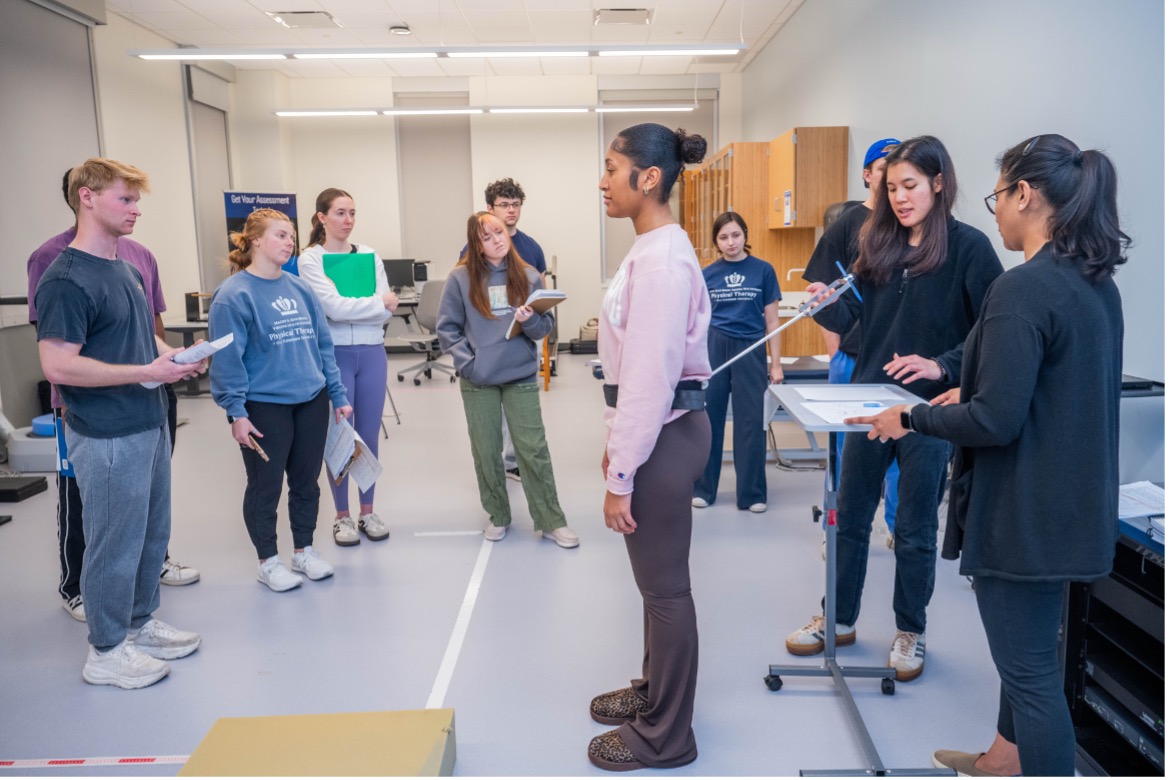
Our findings support a move away from treating fall risk as a single score or a single impairment.
An initial hierarchical cluster analysis examined how 66 measures from gait, cognition, physiological performance, and fear of falling changed together. Four groupings emerged: cognitive factors; fast-gait characteristics; physiological performance and fear of falling; and step width or base-of-support measures across walking speeds.
A subsequent machine-learning analysis shifted the focus from clustering measures to clustering people. Five clinically interpretable profiles were identified: Slow Walkers, Fearful but Fit, Strategy Shifters, Visually Dependent Balancers, and Resilient Agers. These profiles aligned with established clinical classifications while revealing important differences among people assigned to similar overall risk levels.
Together, this work suggests that data science can complement clinical judgment by helping clinicians recognize distinct patterns of need and select more targeted assessment and prevention strategies.
- Understanding Falls Risk Profiles in Older Adults: Clinical Subgroups Informed by Machine Learning and Clinician Insight. Samulski B, Moghim N, Kulkarni A, et al. Archives of Physical Medicine and Rehabilitation. 2026;107(5):e4-e5.
- A Cluster Analysis Exploring the Interplay of Gait, Balance, and Cognition in Falls Risk Assessment and Rehabilitation. Samulski B, Kulkarni A, Gore R, et al. ISPGR World Congress Abstract Proceedings. 2025:91.
2. Cognition and Confidence Provide Clinically Relevant Information
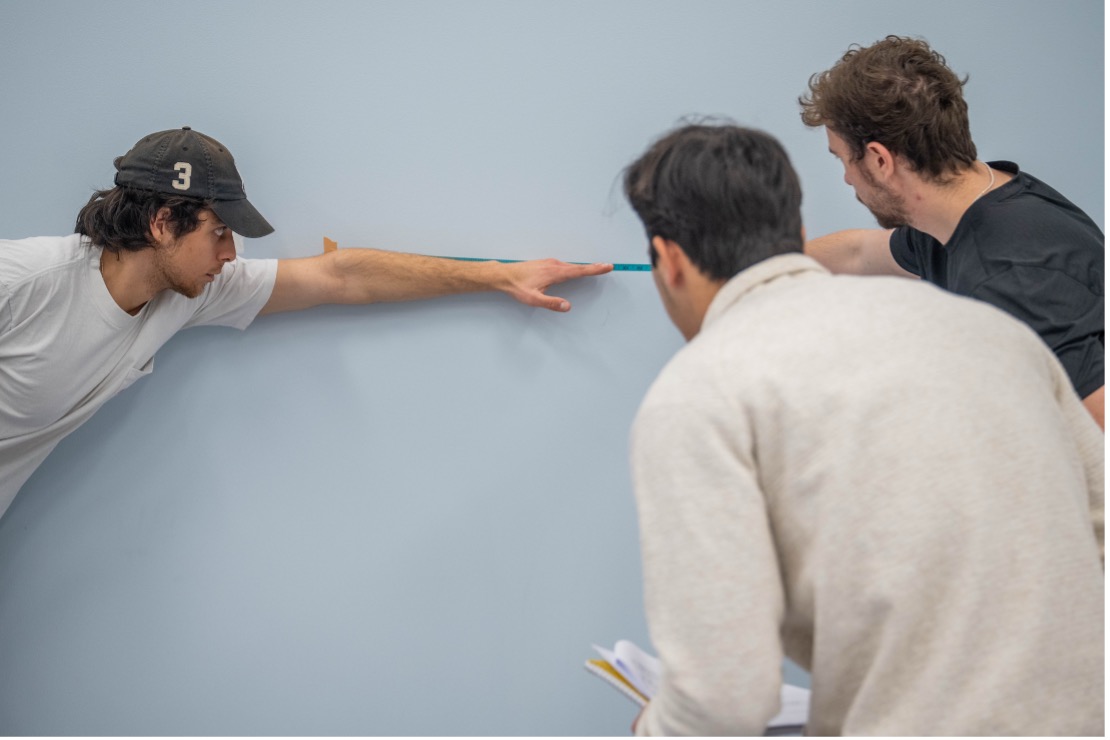
Safe mobility depends on how people process information and how confident they feel, not only on physical capacity.
In more than 300 community-dwelling older adults, lower Montreal Cognitive Assessment scores were moderately associated with higher Physiological Profile Assessment falls risk scores. Cognitive performance was also related to simple reaction time, suggesting that global cognitive screening and processing-speed measures capture different but complementary aspects of risk.
When participants were grouped by cognitive status and fall-related confidence, those with intact cognition and high confidence had lower estimated fall risk. Participants with impaired cognition and low confidence reported more falls and had higher physiological risk than several other groups.
These findings support assessing cognition and confidence alongside balance, strength, sensation, and gait. They also caution against assuming that fear of falling is simply a negative factor, because confidence must be interpreted in relation to actual capacity.
- Performance on Cognitive Assessments Is Related to Fall Risk in Community-Dwelling Older Adults. Moxey J, Langerhans K, Prupetkaew P, Samulski B. Journal of Sport and Exercise Psychology. 2024;46(S1):S1-S104.
- The Influence of Cognitive Status and Fear of Falling on Falls Risk and Reported Falls. Samulski B, Langerhans K, Moxey J, Morrison S. Journal of Geriatric Physical Therapy. 2024;47(1):E19-E47.
3. Gait Protocols and Dynamic Measures Can Strengthen Assessment
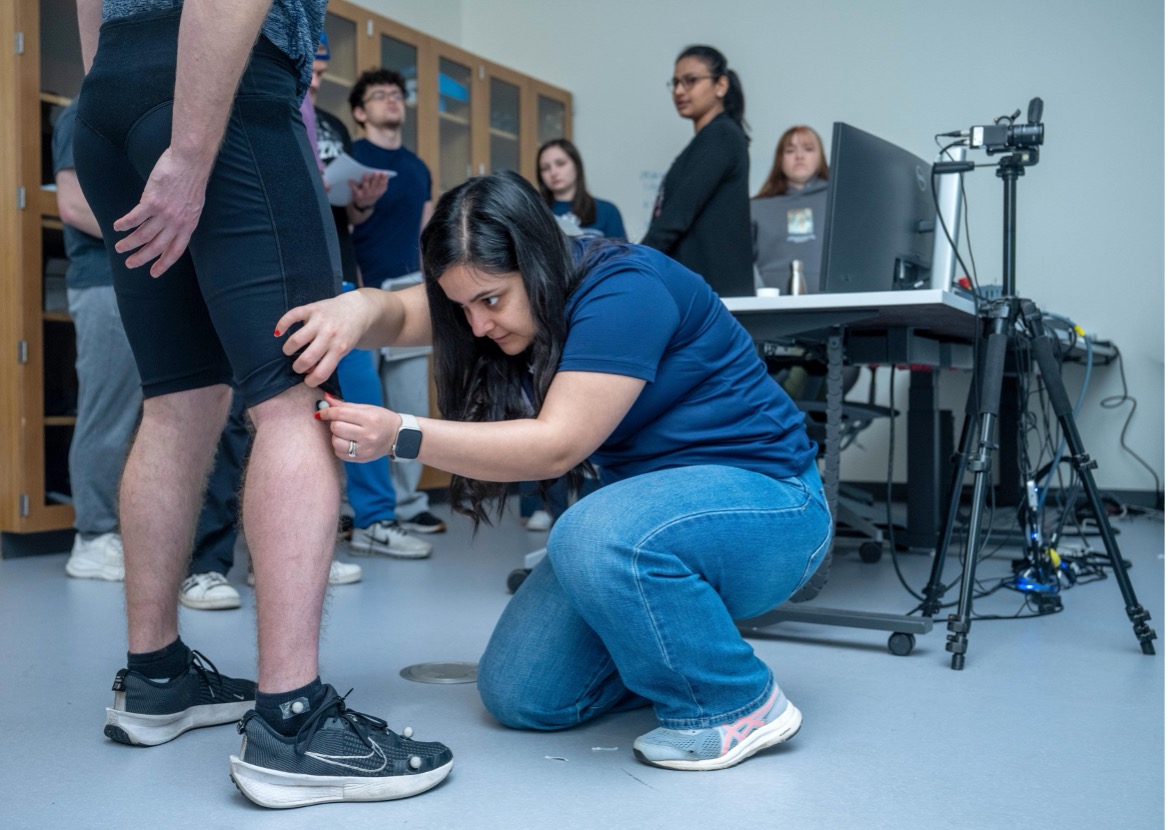
Walking is a central indicator of mobility, but the way gait is measured changes what clinicians learn.
Analysis of 340 older adults showed that the first walking trial is best treated as acclimation. For preferred-speed gait, averaging trials two through four produced the most consistent estimate, while a fifth trial may introduce fatigue or motivational changes. This creates a practical four-trial clinical protocol.
Higher physiological fall-risk scores were associated with slower height-normalized gait velocity, lower cadence, shorter steps, more time in stance, and more reported falls. A pilot analysis also found that anteroposterior margin of stability was related to the PPA and to balance, proprioception, vision, cognition, and gait measures.
Emerging work, including RDE-GAIT, is expanding the program toward three-dimensional gait symmetry and new methods for connecting biomechanical measures with clinical interpretation.
- How Many Trials Are Needed for Consistent Clinical Gait Assessment? Howard CK, Rhea CK, Moxey JR, et al. Applied Sciences. 2025;15(23):12740. Open access.
- The Correlation of a Physiological Profile Assessment, Fall-Risk Index, and Gait Parameters of Community-Dwelling Older Adults. Samulski B, Langerhans K, Moxey J. Journal of Sport and Exercise Psychology. 2024;46(S1):S1-S104.
- Integrating Margin of Stability and Physiologic Profile Assessment: A Dynamic Approach to Fall Risk Prediction. Kulkarni A, Samulski B, Gore R, et al. ISPGR World Congress Abstract Proceedings. 2025:447.
- RDE-GAIT: A Novel Mirror-Equilibrium Approach to 3-D Gait Symmetry. Pousti R, Russell D, Kulkarni A, Samulski BS, Rhea CK. NASPSPA Conference, Montreal, 2026.
4. Movement Does Not Change Uniformly With Age
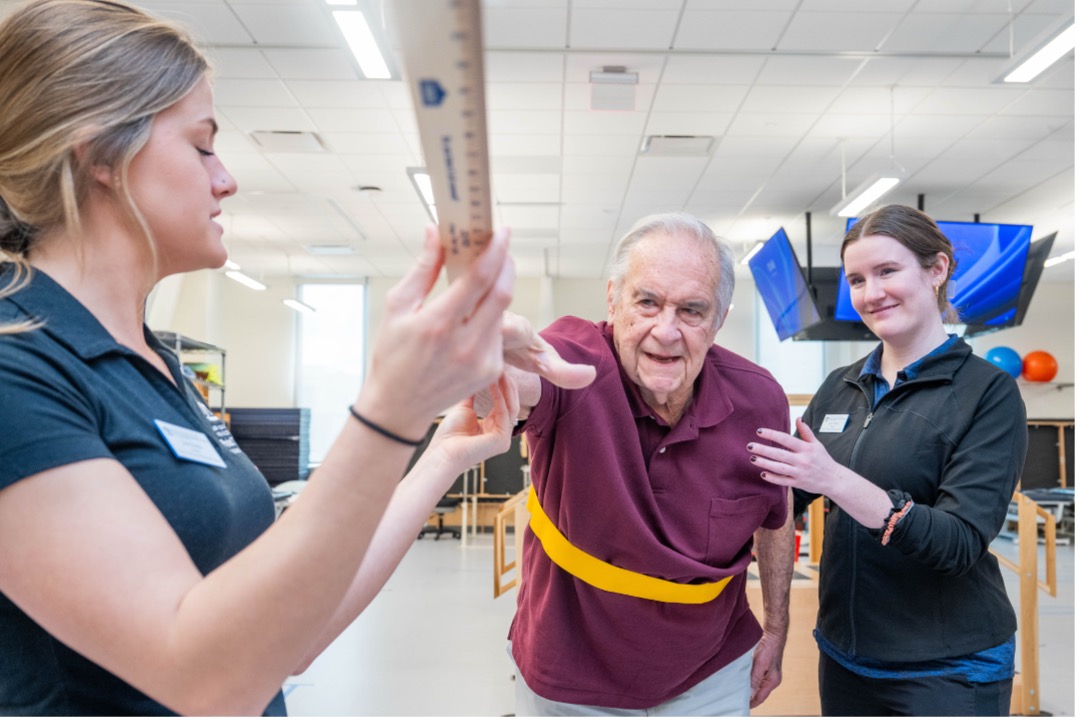
The chewing and walking studies provide the motor-control foundation for the current healthy-aging and fall-risk program.
Chewing and walking are both rhythmic behaviors. Our work found that preferred chewing rates were preserved in older adults even though older adults walked more slowly. When chewing rate was deliberately changed, participants adjusted stepping rate and gait velocity, demonstrating coupling between rhythmic motor systems.
Additional studies showed that the effect of performing two movements at once depends on the type of task. Rhythmic actions can become synchronized, while discrete actions such as reaction-time responses may slow because the tasks compete for processing resources.
Across childhood, young adulthood, and older adulthood, reaction time and postural sway showed different age-related patterns than gait or chewing. This reinforces a central principle of the current program: movement capacity is task-specific, multidimensional, and influenced by the demands placed on the individual.
This line of research connects directly to current work on cognitive-motor interaction, movement variability, gait adaptation, measurement consistency, and the ability to respond to changing environmental demands.
- Chewing Rates Resistant to Age-Related Slowing and May Be a Novel Rehabilitation Technique for Rhythmic Cuing. Samulski B, Prebor J, Armitano C, Morrison S. Archives of Physical Medicine and Rehabilitation. 2018;99:e99.
- Coupling of Motor Oscillators: What Really Happens When You Chew Gum and Walk? Samulski B, Prebor J, Armitano C, Morrison S. Neuroscience Letters. 2019;698:90-96.
- Age-Related Changes in Neuromotor Function When Performing a Concurrent Motor Task. Samulski B, Prebor J, Armitano-Lago C, Morrison S. Experimental Brain Research. 2020;238:565-574.
- Chewing Entrains Cyclical Actions but Interferes With Discrete Actions in Children. Prebor J, Samulski B, Armitano-Lago C, Morrison S. Journal of Motor Behavior. 2021.
- Patterns of Movement Performance and Consistency From Childhood to Old Age. Prebor J, Samulski B, Armitano-Lago C, Morrison S. Motor Control. 2023;27(2):258-274.
Foundational Research Led by Steven Morrison, PhD
Legacy and Continuity
Monarch Balance for Life builds on the research program established by founding director Steven Morrison. These areas should remain on the website as foundational work, written in past tense and clearly connected to the initiative’s current direction.
Earlier program work explored sensor-equipped socks and continuous movement monitoring as tools for characterizing gait and detecting meaningful changes in people with Parkinson disease. This work established an early interest in wearable technology, real-world mobility, and clinically interpretable movement data.
Research examined how age-related slowing in reaction time and whole-body responses may reduce the ability to recover from unexpected challenges. The work also considered how knowledge from sports concussion research could inform the study of fall-related traumatic brain injury in older adults.
- Can Sports Medicine Research on Concussion Provide Insight Into Traumatic Brain Injuries in Older Adults? Wood TA, Morrison S, Sosnoff JJ. Frontiers in Medicine. 2019;6:53.
A major line of research evaluated how type 2 diabetes and peripheral neuropathy affect gait, sensation, reaction time, and postural stability. Exercise and balance-training studies showed that both supervised training and structured home-based Wii Fit activity could improve modifiable risk factors and lower calculated fall risk.
- Exercise Improves Gait, Reaction Time and Postural Stability in Older Adults With Type 2 Diabetes and Neuropathy. Morrison S, Colberg SR, Parson HK, Vinik AI. Journal of Diabetes and Its Complications. 2014;28:715-722.
- Supervised Balance Training and Wii Fit-Based Exercises Lower Falls Risk in Older Adults With Type 2 Diabetes. Morrison S, Simmons R, Colberg SR, et al. JAMDA. 2018;19:185.e7-185.e13.
- Balance Training Reduces Falls Risk in Older Individuals With Type 2 Diabetes. Morrison S, Colberg SR, Mariano M, et al. Diabetes Care. 2010;33(4):748-750.
Studies investigated how fatigue and within-person variability affect mobility and fall risk. Walking-induced fatigue increased physiological fall-risk scores, and variability in neuromotor function helped distinguish individuals with different levels of risk.
- Walking-Induced Fatigue Leads to Increased Falls Risk in Older Adults. Morrison S, Colberg SR, Parson HK, et al. JAMDA. 2016;17:402-409.
- Intra-Individual Variability of Neuromotor Function Predicts Falls Risk in Older Adults and Those With Diabetes. Morrison S, Newell KM. Journal of Motor Behavior. 2019;51(2):151-160.
Scholarship
Selected Peer-Reviewed Publications
- Standardization of Neuromuscular Reflex Analysis: Role of Fine-Tuned Vision-Language Models and LLM-Enabled Decision Support. Bandara E, Gore R, Shetty S, et al. Biomechanics. 2026;6(1):23.
- Physical Activity for Anxiety for Autistic People: A Systematic Review. Riis K, Samulski B, Neely KA, Laverdure P. Journal of Autism and Developmental Disorders. 2025;55:2663-2679.
- Chewing Entrains Cyclical Actions but Interferes With Discrete Actions in Children. Prebor J, Samulski B, Armitano-Lago C, Morrison S. Journal of Motor Behavior. 2021.
- Coupling of Motor Oscillators: What Really Happens When You Chew Gum and Walk? Samulski B, Prebor J, Armitano C, Morrison S. Neuroscience Letters. 2019;698:90-96.
- How Many Trials Are Needed for Consistent Clinical Gait Assessment? Howard CK, Rhea CK, Moxey JR, et al. Applied Sciences. 2025;15(23):12740.
- Patterns of Movement Performance and Consistency From Childhood to Old Age. Prebor J, Samulski B, Armitano-Lago C, Morrison S. Motor Control. 2023;27(2):258-274.
- Age-Related Changes in Neuromotor Function When Performing a Concurrent Motor Task. Samulski B, Prebor J, Armitano-Lago C, Morrison S. Experimental Brain Research. 2020;238:565-574.
Program Leadership
Brittany Samulski, PT, DPT, PhD
- Program Director | 2023-2026
- Assistant Director | 2019-2023
Steven Morrison, PhD
- Founding Director | 2018-2023
Current and Former Doctoral Researchers
- Nadia Azhar, PhD Student, 2026-current
- Kyle Langerhans, PhD Student, 2023-current
- Jacquelyn Moxey, PhD Student, 2018-2026
- Paphawee Prupetkaew, PhD Student, 2020-current
- Kathryn Riis, PhD Student, 2021-2023
- Paige Agnew, PhD Student, 2022
- Rachael Cunninghame, 2021-2022
- Emily Fitzwater, DPT Student, 2021-2023
- Brianna Key, DPT Student, 2021-2023
- Brad Eppinger, MD student, 2024-current
- Shannon Prakash, MD student, 2024-current
Current and Former Student Research Volunteers
Undergraduate Students
- Emaan Manzoor, 2024-2026
- Tania Tong, 2026
- Crisana Poquiz, 2024-2025
- Darah Goolsby, 2023-2024
- Dakota Smith, 2023-2024
- Caitlin Powell, 2021-2023
Research Collaborators
- Ashwini Kulkarni
- Christopher K. Rhea
- Ross Gore
- Neda Moghim
- Soumya Banerjee
- Pooyan Salavati
- Daniel Russell
- Jessica Prebor
- Cortney Armitano-Lago
Contact Us
Need additional information about Monarch Balance for Life? Contact us via email or call at 757-683-6111.