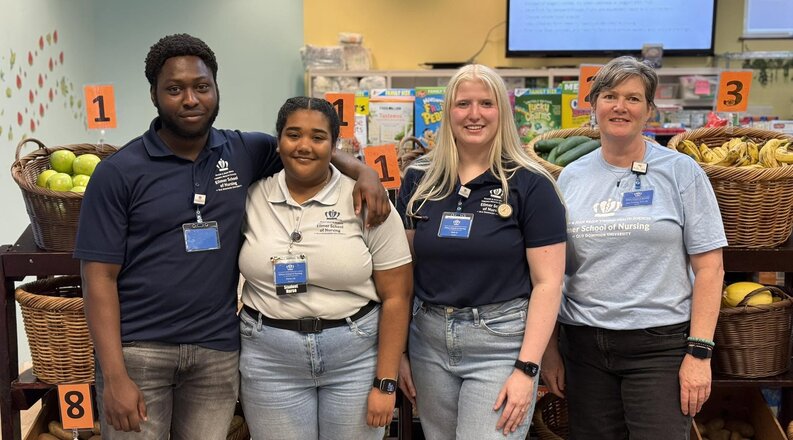

It’s 9 a.m. on a scorching summer day in Williamsburg. Audrey Wallin has arrived at Grove Christian Outreach Center from Virginia Beach expecting to put her nursing skills to work. What she finds is a lesson in healthcare that extends well beyond a blood pressure cuff.
Audrey, a Bachelor of Science in Nursing (B.S.N.) student at Macon & Joan Brock Virginia Health Sciences Ellmer School of Nursing at Old Dominion University, is among six nursing students completing clinical rotations at the Williamsburg center through this fall. Their work ranges from health screenings and nutrition education to packing food and listening to the stories of the people they serve.
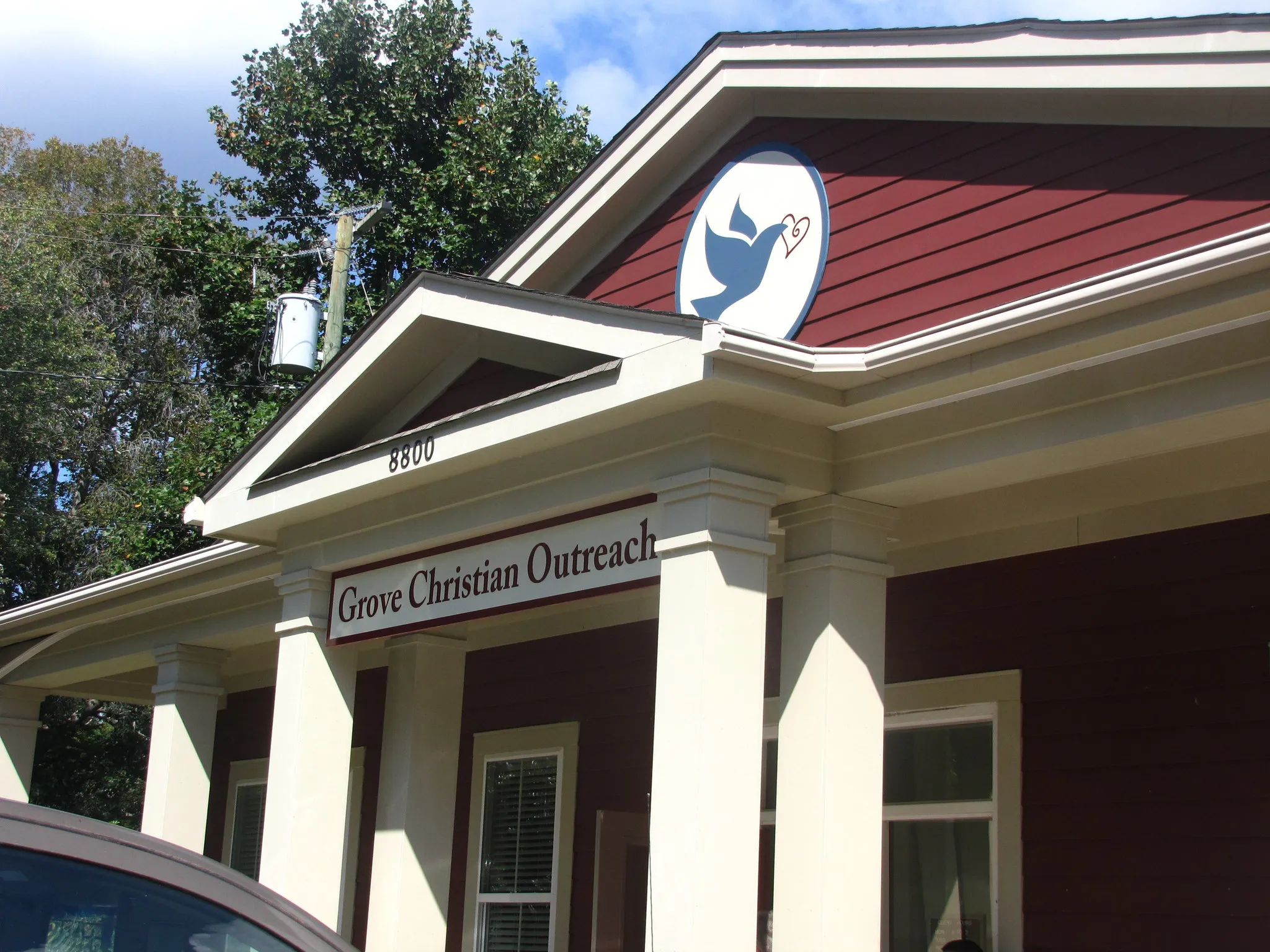
The new partnership between Old Dominion University and “the Grove” gives students a firsthand look at a fundamental truth of community health: What happens before a patient enters a hospital can be just as important as what happens once they get there.
The partnership grew from the Grove’s efforts to better understand food insecurity in the region. The center conducted research that revealed community health challenges, including hypertension and diabetes, as well as gaps in clinical care to address them. These findings prompted the Grove to seek partners that could help meet those needs, leading to a collaboration with the University.
“Serving in a community setting has multiple benefits,” said Beth Tremblay, Ph.D., M.S.N. RN (M.S.N. ‘01), assistant professor at Ellmer School of Nursing at Old Dominion University and the faculty lead for the initiative. “Students are needed, so they are quickly absorbed into the functioning site. Their clinical training gives them a unique perspective. They may identify health needs that staff have not yet recognized or have not had the capacity to address.”
The scale of the center’s outreach is readily apparent. In 2025, the organization served 1,067 households — roughly 3,722 individuals — through more than 11,000 food pantry visits, and that number is expected to increase by 5% in 2026. On a single morning, they can receive more than 1,000 pounds of food, keeping staff and volunteers busy sorting, organizing and preparing food for community members.
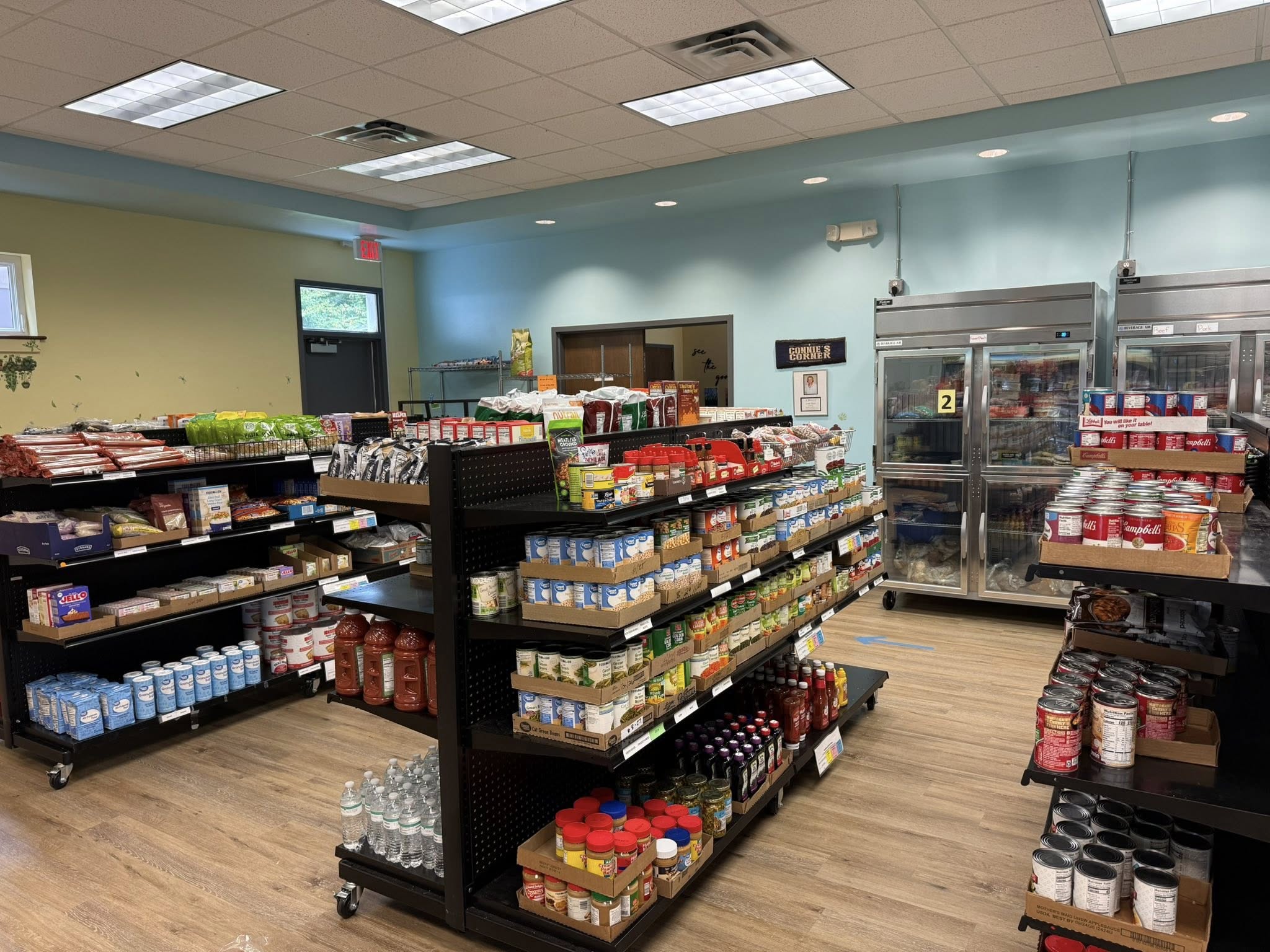
Students quickly become part of that work while gaining valuable clinical education in the process. Working alongside staff in the pantry gives students an immediate view of the social determinants of health — the conditions in which people live, work and access resources that can impact their health and well-being.
“This opportunity has influenced me to become a healthcare professional who focuses on caring for the whole person, not just treating a diagnosis,” said nursing student, Elena Javier-Matos.
She also experienced the power of cultural connection when she met a community member who shared her Dominican heritage and needed help translating resources into Spanish.
“It was a special moment,” Elena said. “It reminded me how important representation and cultural connection are when building trust between healthcare professionals and the communities they serve.”
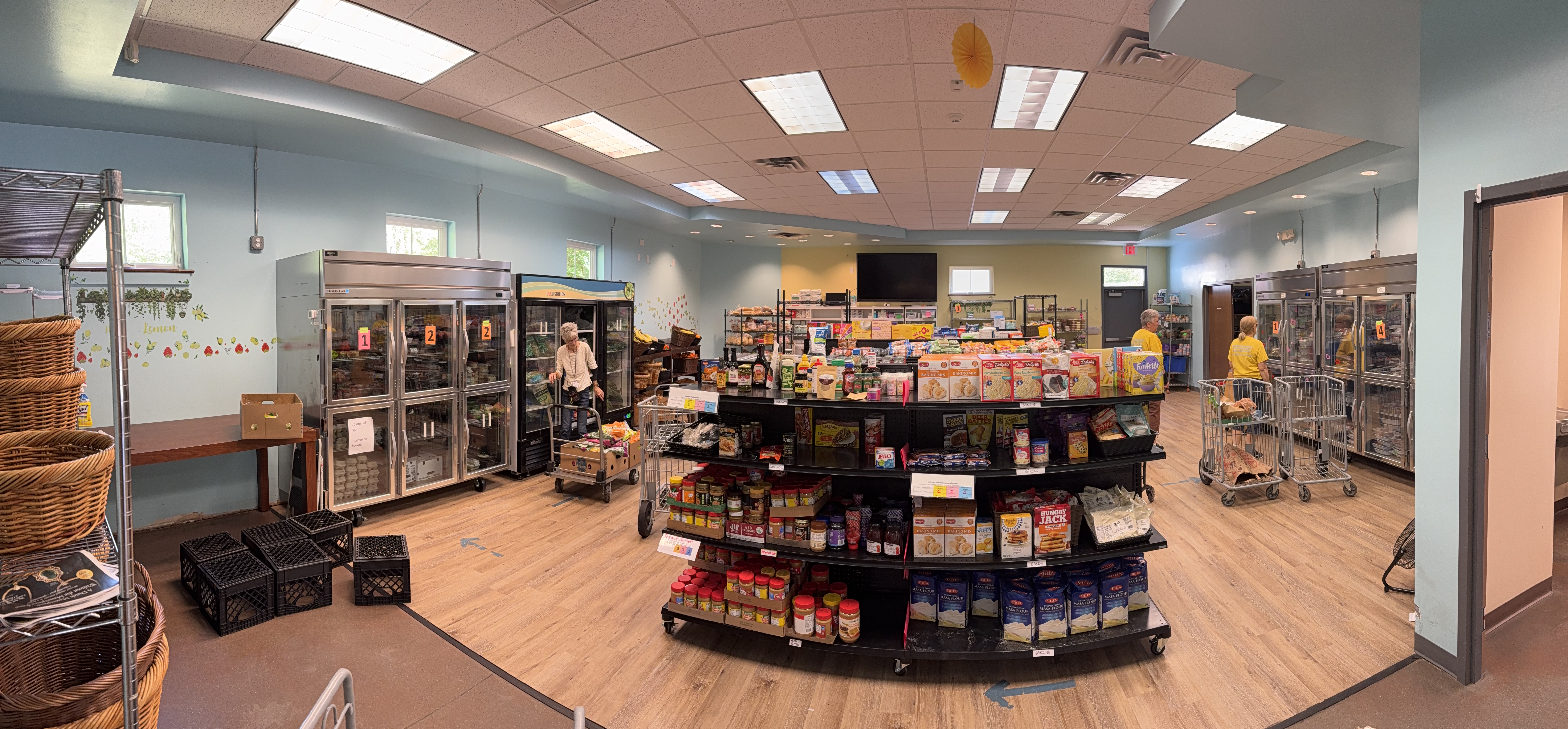
“The students did such a fantastic job introducing themselves, getting into the community and diving straight in from day one,” said Matt Pollino, development manager at the Grove Christian Outreach Center.
Their role went beyond taking blood pressures or completing screenings. Students wanted to understand the people behind the numbers, listening to their stories and considering cultural factors, including the food families eat and the circumstances that shape their access to healthy options.
That holistic approach is central to the organization's mission.
“We’re a trusted partner in the community.” Pollino said. “Because we’re an outreach center, we find ways to help people get through any challenge they’re going through.”
For Audrey, the clinical rotation offered a new perspective on the connection between nutrition and health. Through this experience, students saw firsthand how access to proper, nutritious foods can help address a community’s health challenges, including diabetes, hypertension and obesity.
“It opened my eyes to the importance of nurses’ roles outside of the hospital,” Audrey said. “There are countless communities who cannot access proper healthcare, but as a future nurse, I can advocate, listen to individuals and provide patient-centered care.”
For Dr. Tremblay, experiences like these can change how future nurses understand their role in improving health long before someone arrives at a hospital.
“Health is created in communities.” Dr. Tremblay said. “Learning what facilitates or is a barrier to health helps nurses move the solutions upstream, thus expanding the impact of interventions.”
That is the lesson Old Dominion University's future nurses are carrying back from Williamsburg: caring for a patient means going beyond the diagnosis and understanding the people, circumstances and communities that shape their health.