


A Health Promoting University
Have an idea? Submit this form for future well-being priorities.
Our Vision
A health promoting university inspires to embed health and well-being into all that we do. Not as an add-on but as a way of life.
Our Framework for Flourishing: People, Place, & Planet
The Health Promoting University (HPU) vision is to embed health and well-being into everything we do. By moving beyond individual health to a "whole-person" and community approach, we recognize that a healthy planet and well-cared-for places are the foundations for healthy people.
These three pillars guide our work, turning our campus intentions into sustainable action.
Healthy people are the heart of ODU. We believe that every member of our community is a powerful agent for change. By fostering a culture of well-being, we ensure the long-term success and sustainability of our campus.
- Key Objectives:
- Enhancing mental, physical, and social health.
- Fostering a sense of belonging and social connection.
- Integrating health literacy into the curriculum and professional development.
- Example: A peer-led "well-being coaching" program where students support one another in navigating campus stress and building resilience.
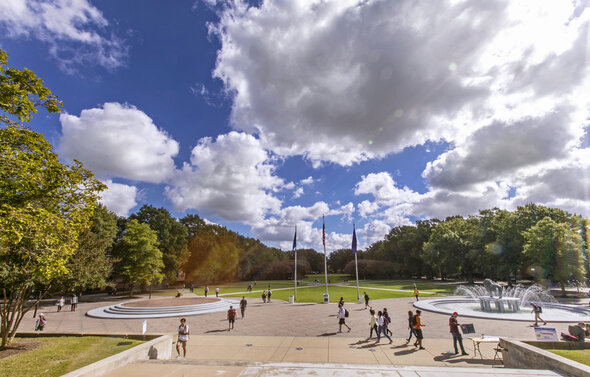
Our environment shapes our experience. "Place" encompasses the physical, social, digital, and natural settings where we learn, work, play, and live. We strive to create environments that inherently support health through infrastructure and culture.
- Key Objectives:
- Built Environment: Designing accessible, safe, and active spaces (e.g., walkable campuses, green spaces).
- Organizational Culture: Embedding health into university policies, governance, and administration.
- Service Integration: Aligning campus services (housing, dining, health centers) to support holistic well-being.
- Example: Redesigning campus common areas to include more natural light, ergonomic furniture, and accessible green spaces that encourage social connection and mental rest.
We are part of a larger ecosystem. We advocate for equitable environmental action that meets people where they are. This pillar honors Indigenous knowledge and models of stewardship, recognizing that our well-being is deeply interconnected with the health of all living systems.
- Key Objectives:
- Reducing the institutional carbon footprint and waste.
- Promoting sustainable food systems and transportation.
- Educating the community on the intersection of climate change and public health.
- Example: Incorporating sustainability and environmental justice into the curriculum or launching a campus-wide initiative to reduce waste while teaching students the professional skills needed for the "green economy.”
Drop-in Community Forums
Your Voice. Our Shared Agenda.
Check back for upcoming events.
What Does it Take for Every Monarch to Flourish?
This spring, join us for an interactive Health Promoting University Community Forum, where faculty, staff, and students will come together to explore the strengths that help our community flourish, identify opportunities to strengthen our university environment, and envision the future of the health and well-being at Old Dominion University.
Guided by trained facilitators, we'll engage in meaningful conversations and collaborative activities that capture the experiences, ideas, and aspirations of our community.
The insights gathered through these forums will help shape ODU's Shared Agenda for Health & Well-Being and guide our Health Promoting University efforts in the years ahead.
The Well-Being Collective
Together, we can create a healthier ODU. Learn how the Well-Being Collective turns shared priorities into meaningful action.
Join Us
The Office of Health Promotion invites you to the HPU Activator Institute on Thursday, Jan. 21, 2027, from 1 p.m. to 5 p.m. This interactive, four-hour training is offered in a hybrid format. You can participate in person or online.
Together, we’ll explore what it means to be a Health Promoting University and how the systems and environments where we learn, work, and connect shape well-being. Using ODU examples and the People, Place, and Planet framework, we’ll examine how everyday decisions can help our campus community flourish. We’ll also explore salutogenesis, which asks what creates and sustains health, and use the Limerick Framework to apply what we learn to a real campus challenge.
Whether you’re new to HPU or already looking for ways to put it into practice, come with a question, an idea, or a challenge from your corner of ODU. You’ll leave with practical tools and a next step you can take in your own role.
No one person or department owns wellbeing on our campus. Using the collective impact model, we created a shared action plan to improve the culture of wellbeing at Old Dominion University.