Responsible Conduct of Research Training
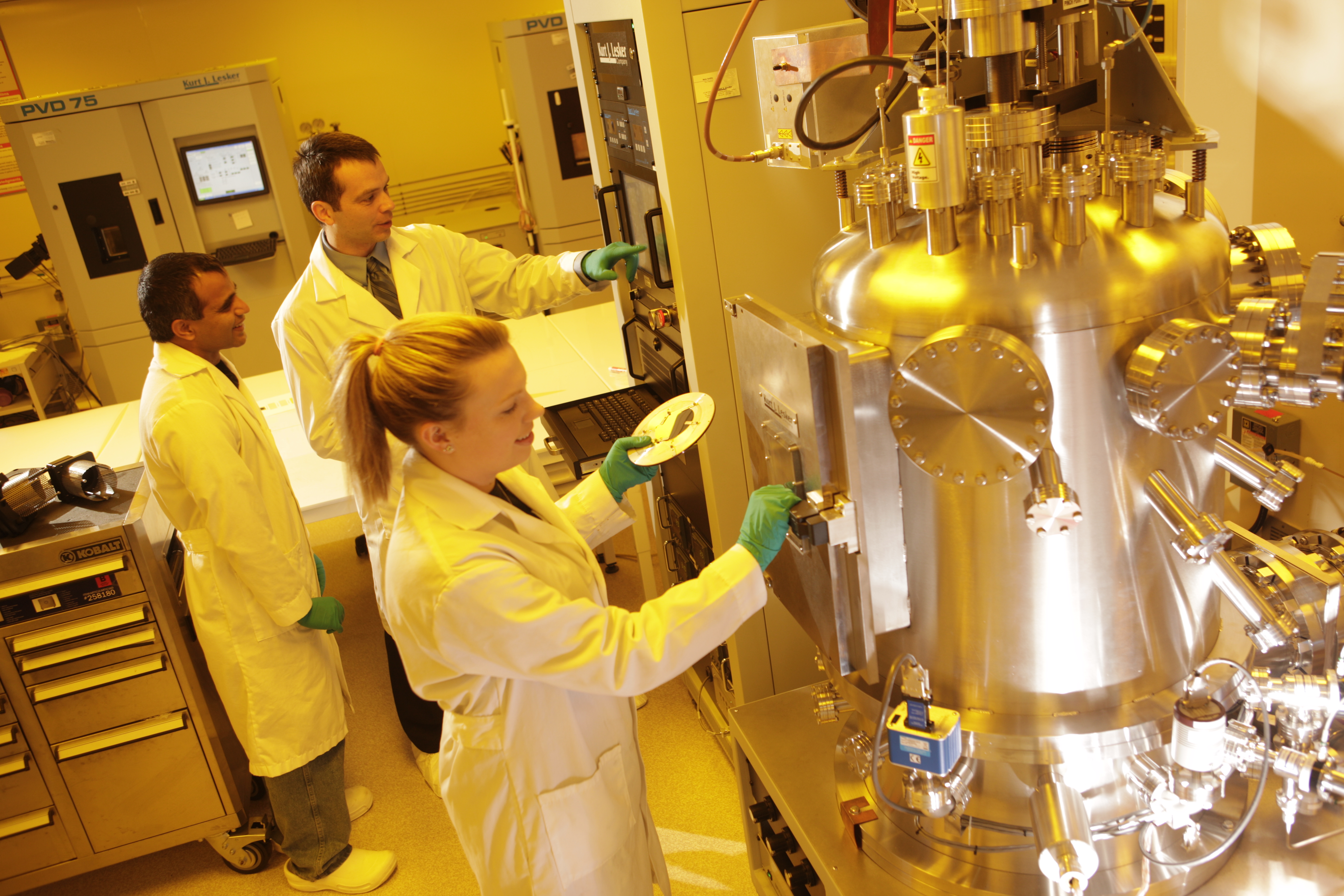
Old Dominion University has a policy of training all graduate students in the fundamentals of Responsible Conduct of Research (RCR). This policy was adopted with the understanding that the knowledge and philosophy presented in the RCR training can enhance the professional development of all students, regardless of discipline. The following requirement is presented on page 52 of the Graduate Catalog:
"All graduate students who were admitted or readmitted to a degree or graduate licensure program as of fall 2010 must complete the Collaborative Institutional Training Initiative (CITI) basic course. The basic course includes the following modules: Misconduct (falsification, fabrication, and plagiarism); Data acquisition, management, sharing and ownership; Mentor/trainee relationships; Publication practice and responsible authorship; Peer review; Conflicts of interest; and Collaborative research. Completion of the RCR modules will be tracked through the CITI website and is a graduation requirement. The RCR modules must be completed prior to completion of 12 semester hours. Students who fail to complete this requirement will have a registration hold placed on their records. As appropriate to their general field of study, students may complete the Biomedical Social and Behavior Research, Physical Science, or Humanities RCR track offered by CITI to fulfill this requirement."
As noted in this policy, graduate students must complete the CITI training prior to completion of 12 semester hours at ODU.
These instructions will guide students through the beginning of this process.